

Simplicity can, at times, be mistaken for inadequacy in customer success. However, the reality is that CSMs have a lot of complex issues to tackle, particularly those that revolve around onboarding and product adoption. While finding a more less complex approach to these processes is easier said than done, minimalist onboarding is possible and often beneficial.
Streamlining these initiatives means creating a leaner approach where every action and process is scrutinized for its necessity and impact. The main goal should be to eliminate unnecessary steps and consolidate essential functions. There are a plethora of steps, tools, and processes that can be implemented to make this a reality for any customer success team.
How to implement a minimalist onboarding approach.
The numbers don’t lie: Nearly 63% of customers consider the onboarding period when deciding whether to subscribe to a service. The more complex and robust the product or service, the longer the onboarding will take. Customers know this. That said, there are still ways to hone in on your onboarding so customers can have a better experience.
1: Simplify user interfaces.
Start by decluttering your user interface. Remove unnecessary elements and focus on guiding users through the essential steps. Use clean and simple designs that highlight the key features without overwhelming the user.
One way to start is to figure out what features your customers get the most value from throughout their lifecycle. Focus on ensuring those features are the main areas of focus in the initial stages of the onboarding. Tools like UserTesting are perfect for helping map all of this out.
2: Streamline communications.
Ensure that your communication is clear and concise. Avoid jargon and provide straightforward instructions. Use tooltips and in-app guides to assist users without interrupting their flow.
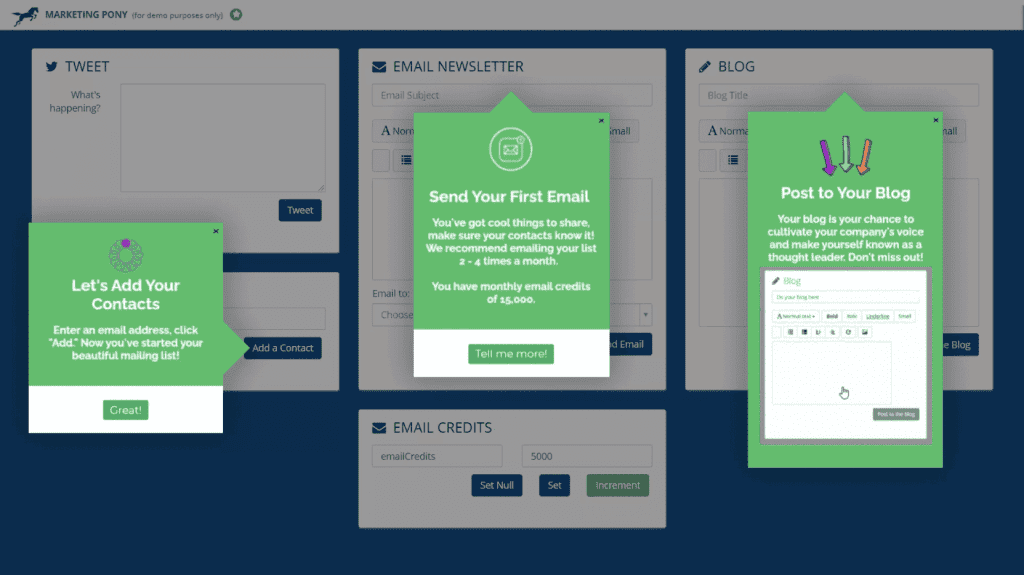
ChurnZero’s in-app WalkThroughs help users onboard at their own pace, without interrupting workflows.
Creating guided onboarding will reduce the amount of time your CSMs and implementation reps spend on smaller projects. This will allow them to focus on solving larger, more strategic projects for customers.
One company that’s a great example of this is Canva. They offer step-by-step interactive tutorials that guide users through the basics and beyond. It’s like having a coach show you the correct form for each exercise, ensuring you get the best results without the guesswork.
3: Measure success.
Measuring success and making continuous improvements is crucial to ensure your more simple approach is effective. This will be a trial-and-error process. The best way to ensure faster success is to track and measure your progress by seeing what works and what doesn’t.
At the end of the day, the most important metric to track and measure is product adoption. You know your onboarding process is successful when your customers experience value in your product as quickly as possible. You should measure:
Time to value (TTV): Measures how long it takes for new clients to experience the benefits of your software. The shorter the TTV, the better!
Onboarding completion rate: Shows how many users complete the entire onboarding process. If this rate is low, it’s a sign that your onboarding might be too complicated, or it isn’t clearly guiding users to the finish line.
Feature Adoption Rate: Tracks how many users are utilizing key features of your software. Low adoption rates might suggest that your onboarding isn’t effectively showcasing the full value of your product.
CSAT/NPS: Measuring your customer’s overall satisfaction throughout the onboarding process will be your key to improving the whole process in real-time. These metrics are your best idea generators for creating a simple, yet robust onboarding and product adoption process.
4: Iterate and improve.
Based on the data and feedback collected, make iterative improvements to your onboarding process. Continuously refine and optimize the experience to ensure it remains effective and user-friendly.
This is a process, friends.
But it’s a worthy cause since onboarding and product adoption set the tone for the entire customer journey. 74% of users are likely to switch to another solution if they find the onboarding process too complicated
Case in point: Trello.
Trello runs their client onboarding like a kindergarten teacher runs their classroom on the first day of school. They make it simple and fun, and design their onboarding tutorials to make new users feel at home quickly. Here’s how they’ve successfully implemented their minimalist onboarding strategy:
- Interactive Boards: Trello uses sample boards that new users can interact with.
- Quick Start Guides: These guides walk users through the basics in minutes, helping them set up their first board and add tasks with ease.
- In-App Tips: Trello provides in-app tips and tooltips to guide users as they explore different features, making the learning process seamless.
Of course, your product may be more complex than Trello – like ChurnZero, for example. Here, we tailor the onboarding process to each client’s unique needs and adjust their experience accordingly, with a dedicated CSM assigned early in the customer journey to provide clear and actionable onboarding steps, interactive training sessions, and more. While more complex, our process ensures that customers don’t get lost in unnecessary steps and can focus on what’s most important to them.
One more benefit: simplicity helps you scale.
The simpler your onboarding process, the easier it becomes to scale. If you’re serious about leading as many customers to value as early as you can, combine your minimalist onboarding approach with these tips and tactics from onboarding expert Donna Weber.


